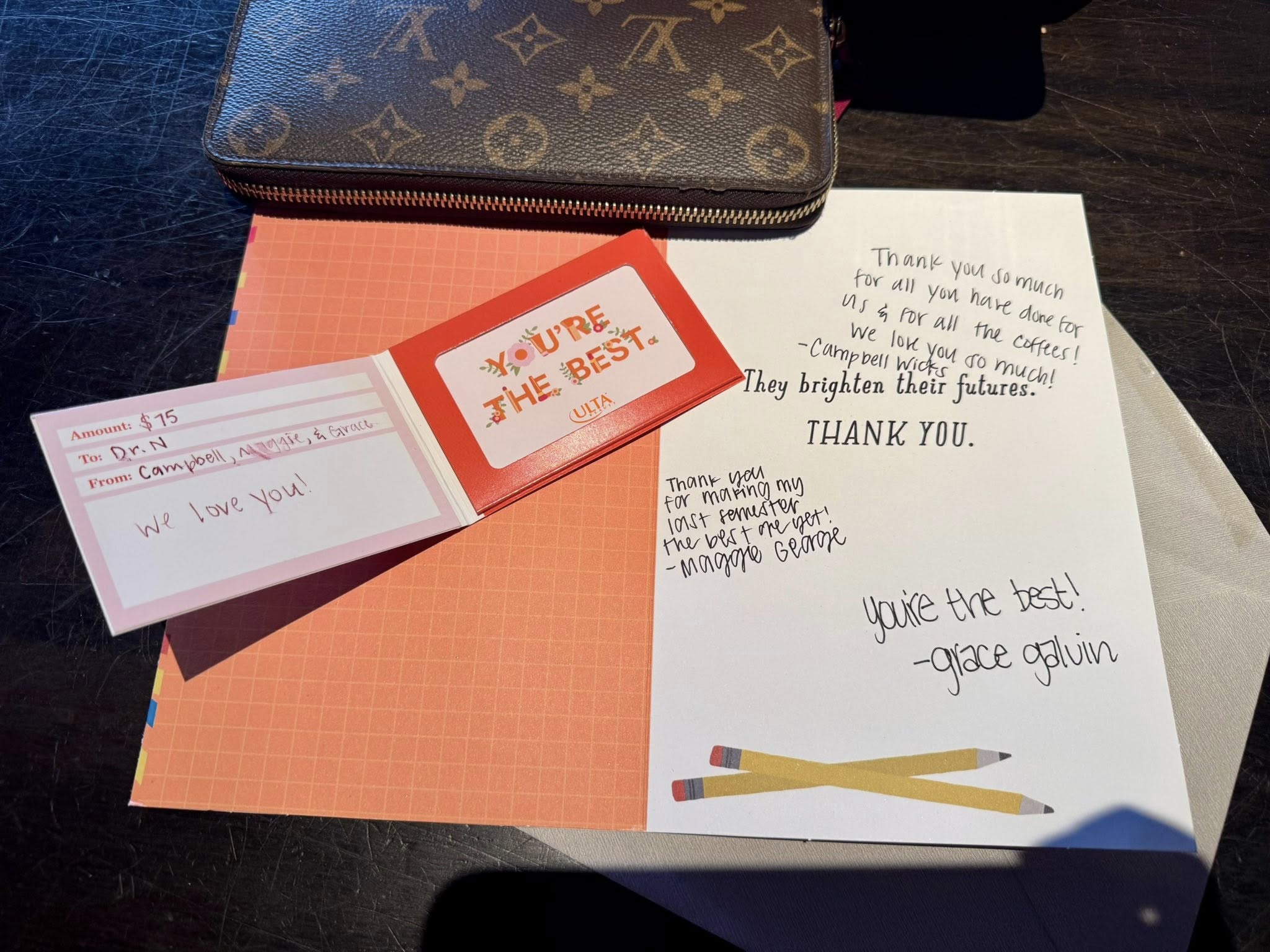
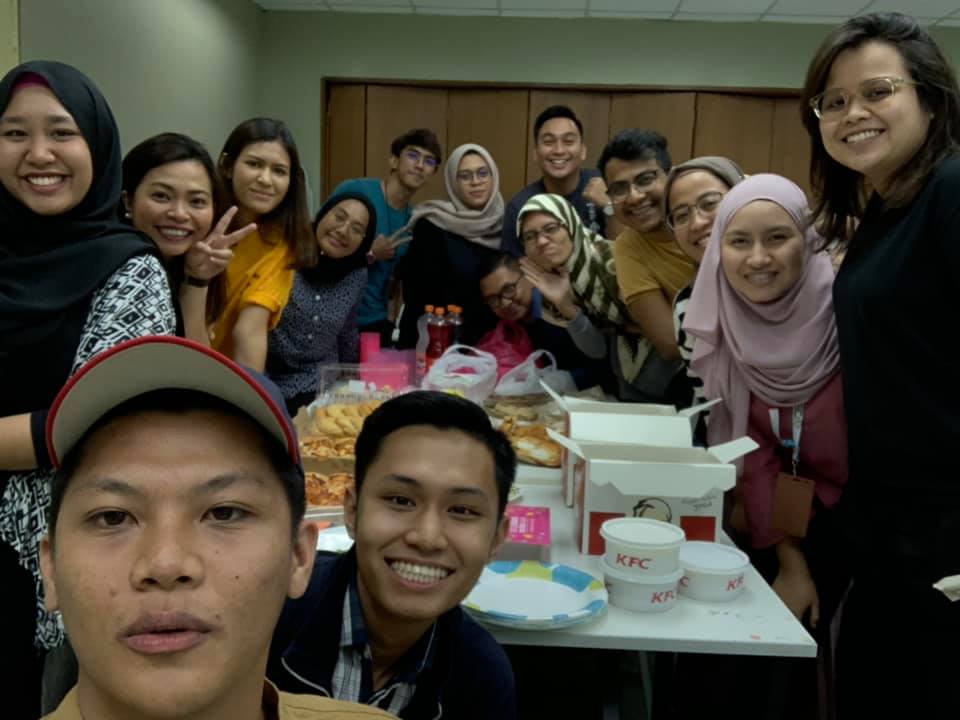
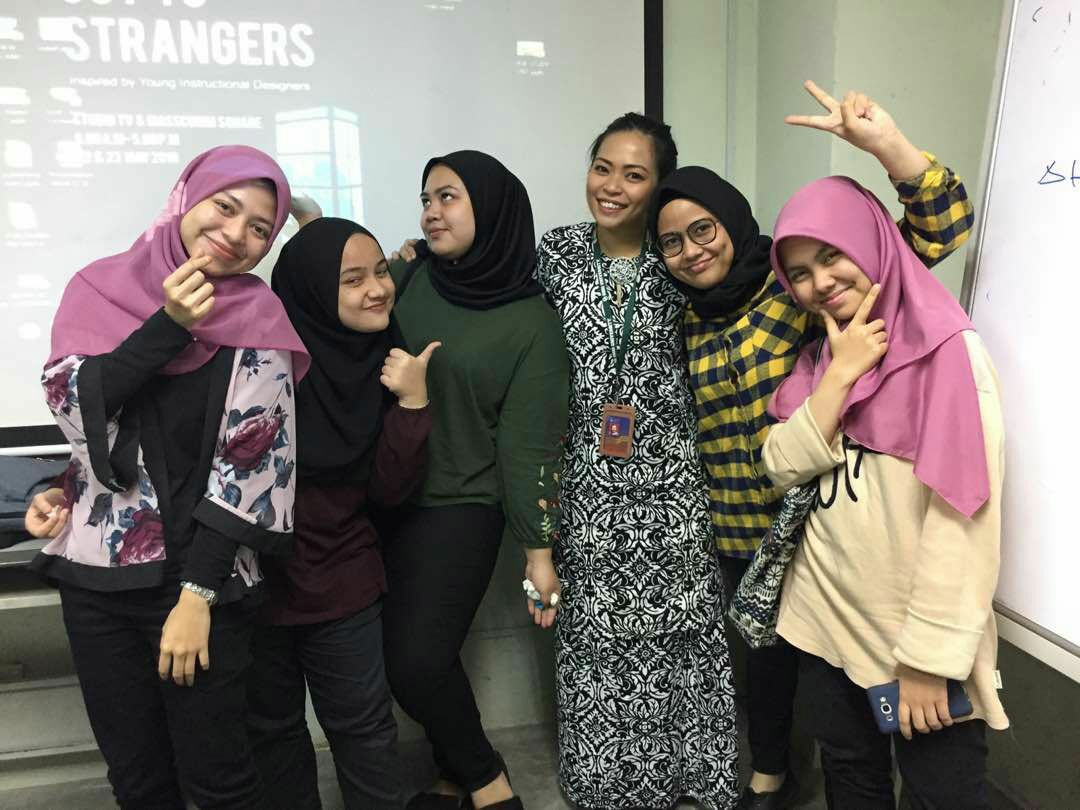

All quotes and numerical data presented on this page are drawn directly from Student Evaluation Forms, annual faculty appraisal reports, and letters of recommendation written by colleagues and supervisors.
Teaching That Students Feel, Not Just Remember
I care deeply about how students experience learning.
What matters to me is not just whether students understand the material. It is whether they feel respected while working through it, whether they feel able to speak up, and whether they leave the classroom with confidence that carries beyond the semester. Many of the subjects I teach are difficult and often uncomfortable. Media, ethics, strategy, misinformation, technology, and power do not come with simple answers. Students arrive with different backgrounds, values, and assumptions. My role is to help them work through that complexity without feeling intimidated or silenced.
One student captured this experience better than I ever could:
“I thought the class was informative and respectful. There are some things I disagreed with, but it never felt like I was in the wrong. This helped me learn because it made me feel safe but also pushed me to think.”
Creating that kind of space takes work. It requires clear boundaries, intentional facilitation, and a willingness to slow things down when conversations become difficult. It also requires trust, built over time, not demanded.
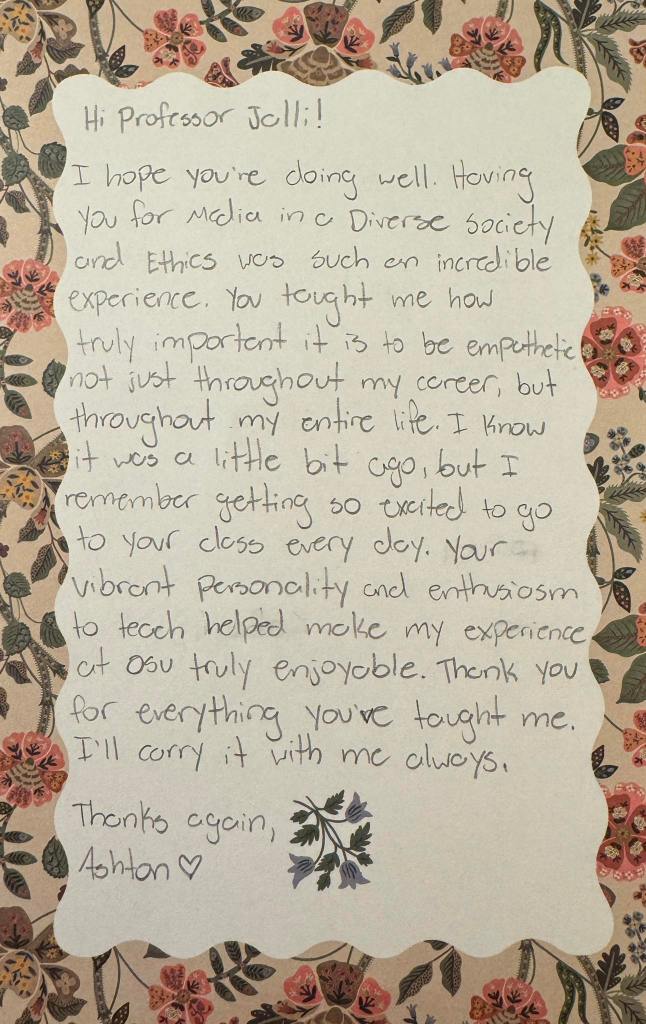
Teaching That Changes How Students See Themselves
I teach many introductory and required courses, often with large enrollments. These courses shape how students understand the field, and sometimes whether they choose to stay in it at all. I take that responsibility seriously.
In Media in a Diverse Society, a freshman-level course that often serves as students’ first sustained encounter with media criticism, students consistently describe moments of perspective shift:
“My mind has been opened more and I have another perspective when I am viewing anything in the media. There is more than what we see, it is how the media is viewed by others.”
Another student went even further:
“This was one of the classes where I genuinely feel that I have learned new things and developed new perspectives that will influence me as I proceed throughout my life.”
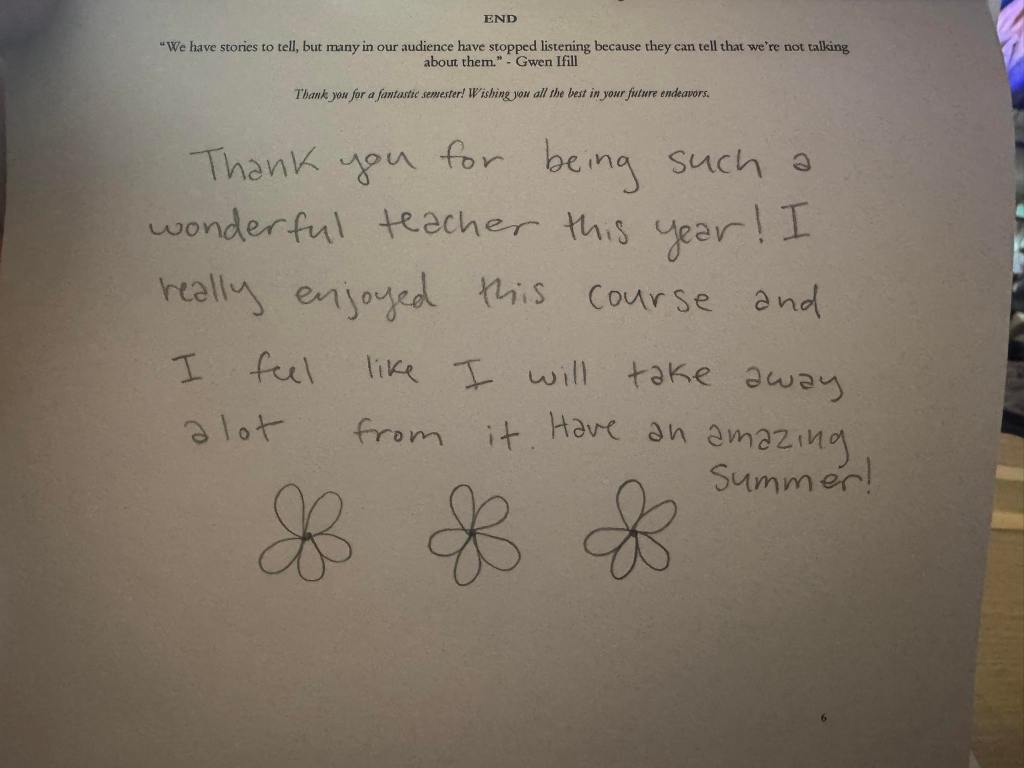
These are not small outcomes for a required course. They tell me students are not just completing assignments, but rethinking how they understand media, power, and responsibility.
In fact, some students have changed majors after taking my classes. As one student wrote:
“Professor Jalli was amazing and passionate about what she was teaching, the liveliest professor I had. She is the reason I switched my major to multimedia journalism!”
That kind of feedback is humbling. It reminds me that introductory courses are not just boxes to check. They are gateways.
Demanding Courses That Students Stay With
I do not design easy courses. I design clear ones.
Students read. They write. They analyze real cases. They are asked to explain their thinking and defend their choices. At the same time, expectations are laid out early, assignments are scaffolded, and feedback is specific and timely. Students know where they stand and why.
This video is shared with the student’s explicit permission. The student consented to being identified and to the video being displayed without blurring. No grade-related or sensitive information is included.
One student described this balance simply:
“She made sure to challenge us academically while still explaining concepts in a way that made them understandable. I felt like I actually learned something meaningful.”
This approach matters even more at the graduate level. In Responsibility in Mass Communication, a required first-year graduate course, students often arrive with professional experience and strong opinions. The goal is not to overwhelm them with theory, but to give them tools they can actually use.
One graduate student wrote:
“This course has been incredibly helpful in teaching me advanced practices in new media, as well as media ethics and the challenges associated with them. I now have a deeper understanding of the ethical implications of AI-generated deepfakes, particularly in advertising and public relations.”
Another shared:
“This has easily been my favorite course of grad school so far. I always felt comfortable putting in my input, and the real-world examples helped me apply what we were learning.”
What matters to me is that students leave with confidence in their ability to think ethically, not just familiarity with ethical terms.
Constant Revision, Not Comfort
I do not believe in teaching on autopilot.
Many of the courses I teach have been new preparations, including courses that had not been offered in the school for years, or courses I designed from the ground up. Others are required courses that need regular updating as media environments change.
I revise syllabi often. I update examples constantly. I test new tools carefully, only when they serve learning goals. I also invest time in my own development as a teacher, through instructional workshops, peer observation, and reflection.
Students notice the energy that comes from this effort. So do colleagues.
In a letter supporting my promotion as Associate Professor at Oklahoma State, the School’s Personnel Committee described my teaching this way:
“Students find her exceptionally approachable and relatable. One student said, ‘Professor Jalli was amazing and passionate about what she was teaching, the liveliest teacher I had.’”
They also pointed out something I value deeply: that I teach a wide range of courses, from freshman-level general education to required graduate seminars, without lowering expectations at any level.
Teaching Beyond the Classroom
Some of the most meaningful teaching happens outside class.
Students come to office hours to talk through research ideas, career questions, ethical dilemmas, or moments of uncertainty. These conversations matter because they are often where students connect classroom learning to their lives.
Colleagues and administrators have repeatedly described me as accessible to students and generous with my time, but what matters more to me is that students feel comfortable reaching out at all.
That trust is built slowly, through consistency, respect, and follow-through.
Teaching Effectiveness Summary
| Course | Level | Year | Overall Rating (5.0) |
| Media in a Diverse Society (MC 1143) | Undergraduate (Freshman) | 2024 | 4.71 |
| Media in a Diverse Society (MC 1143) | Undergraduate (Freshman) | 2024 | 4.29 |
| Media in a Diverse Society (MC 1143) | Undergraduate (Freshman) | 2025 | 4.73 |
| Media in a Diverse Society (MC 1143) | Undergraduate (Freshman) | 2025 | 4.63 |
| Responsibility in Mass Communication (MC 5733) | Graduate (Required) | 2025 | 4.82 |
| Media and Information Literacy (MC 2360) | Undergraduate | 2025 | 4.13 |
| Media and Information Literacy (MC 2360) | Undergraduate | 2024 | 4.50 |
| Ethics and Issues in Mass Communication (MC 4143) | Undergraduate (Required) | 2025 | 4.57 |
 Dr. Nuurrianti Jalli